
Here’s an article designed to meet your requirements:

The modern marketplace is a crowded arena. Consumers are bombarded with messages from countless companies vying for their attention. In this noisy environment, standing out and building lasting relationships with your audience requires more than just a great product or service. It demands a carefully cultivated and consistently presented brand. Brand consistency across all platforms is the key to carving out a recognizable space in the minds of your target audience, fostering trust, and driving business growth.
Key Takeaways:
- Brand consistency builds recognition and makes your brand instantly identifiable across different channels.
- Consistent branding fosters trust and credibility, signaling professionalism and reliability to customers.
- A unified brand experience strengthens customer loyalty and encourages repeat business.
- Implementing brand guidelines ensures that your brand message remains consistent regardless of the platform or team member involved.
Why is Brand Consistency Important Across All Platforms?
Imagine encountering a company with a sleek, modern website, only to find their social media presence cluttered with outdated graphics and inconsistent messaging. This disconnect creates confusion and erodes trust. Brand consistency, on the other hand, ensures a unified and professional image, regardless of where a customer interacts with your business. Think of established global brands (gb) – their logos, color palettes, and messaging are instantly recognizable whether you see them on a billboard, a website, or a product package. This level of recognition is a direct result of deliberate and consistent branding efforts.
A consistent brand builds trust. When your messaging, visuals, and tone are uniform across all channels, customers perceive your brand as reliable and professional. This reliability translates into confidence in your products or services and ultimately drives sales. Furthermore, brand consistency simplifies the customer journey. Customers can easily understand your brand’s values, mission, and offerings, leading to increased engagement and loyalty. A fragmented brand experience, conversely, can lead to frustration and a loss of potential customers.
How Does Brand Consistency Drive Brand Recognition?
In a world saturated with marketing messages, building brand recognition is paramount. Brand consistency plays a vital role in achieving this goal. When you consistently use the same logo, colors, fonts, and voice across all platforms, you create a visual and auditory signature that resonates with your target audience. Over time, these elements become instantly associated with your brand, making it easier for customers to recognize and remember you.
Consider the power of a well-defined color palette. Certain colors evoke specific emotions and associations. By consistently using a particular color scheme, you can tap into these associations and create a subconscious connection with your audience. Similarly, your brand’s voice – the tone and style of your written and verbal communication – should remain consistent across all platforms. Whether you adopt a friendly, casual tone or a more formal, authoritative voice, maintaining consistency reinforces your brand’s personality and helps you connect with your target audience on a deeper level.
What Are the Challenges of Maintaining Brand Consistency?
Maintaining brand consistency, especially for larger organizations, can be challenging. With multiple teams, departments, and marketing channels, it’s easy for inconsistencies to creep in. One of the biggest hurdles is ensuring that everyone within the organization understands and adheres to the brand guidelines.
Another challenge is adapting your brand message to different platforms while maintaining consistency. Each platform has its own unique audience and format, requiring a tailored approach. However, it’s crucial to adapt your content without compromising your core brand values and identity. Overcoming these challenges requires a clear brand strategy, well-defined brand guidelines, and effective communication across all teams and departments. Regular audits and training sessions can also help ensure that everyone is on the same page and that the brand remains consistent across all touchpoints. Utilizing digital asset management systems is a great tool for storing approved logos, images, and templates, ensuring easy access for all team members and preventing the use of outdated or off-brand materials.
How to Implement Strategies for Effective Brand Consistency?
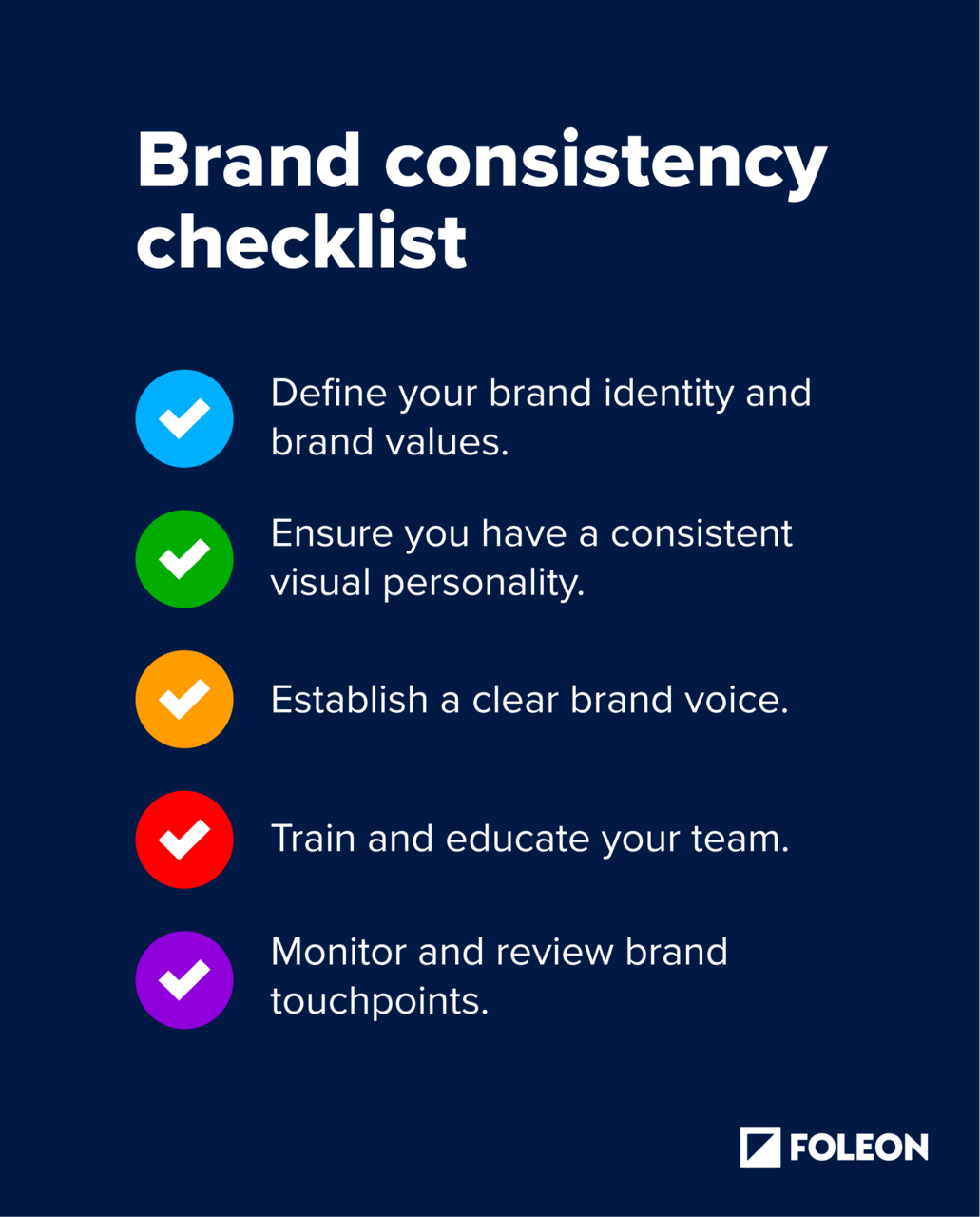
Implementing effective strategies for brand consistency starts with developing a comprehensive brand style guide. This guide should outline your brand’s visual elements, including your logo, color palette, typography, and imagery. It should also define your brand’s voice, tone, and messaging guidelines. This document serves as a single source of truth for all things brand-related, ensuring that everyone within the organization is aligned on how the brand should be presented.
Once you have a brand style guide in place, it’s crucial to communicate it effectively to all team members and stakeholders. Provide training sessions and workshops to ensure that everyone understands the guidelines and knows how to apply them in their respective roles. Regularly audit your marketing materials and online presence to identify any inconsistencies and address them promptly. By taking a proactive approach to brand consistency, you can ensure that your brand remains unified and professional across all platforms, building trust, driving recognition, and fostering long-term customer loyalty. Regularly review and update the brand style guide, as your brand may evolve over time.